Cart
0
You may also like
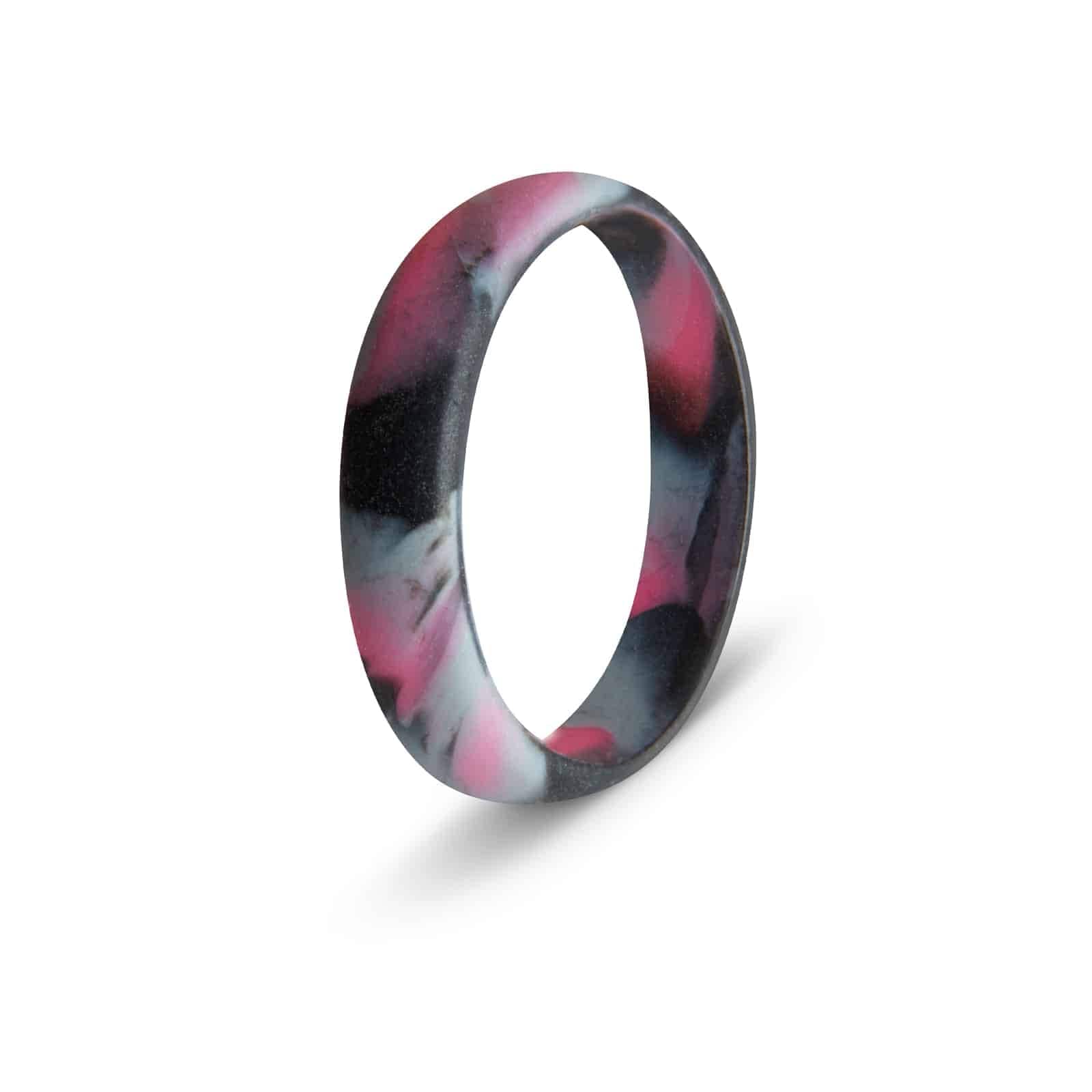
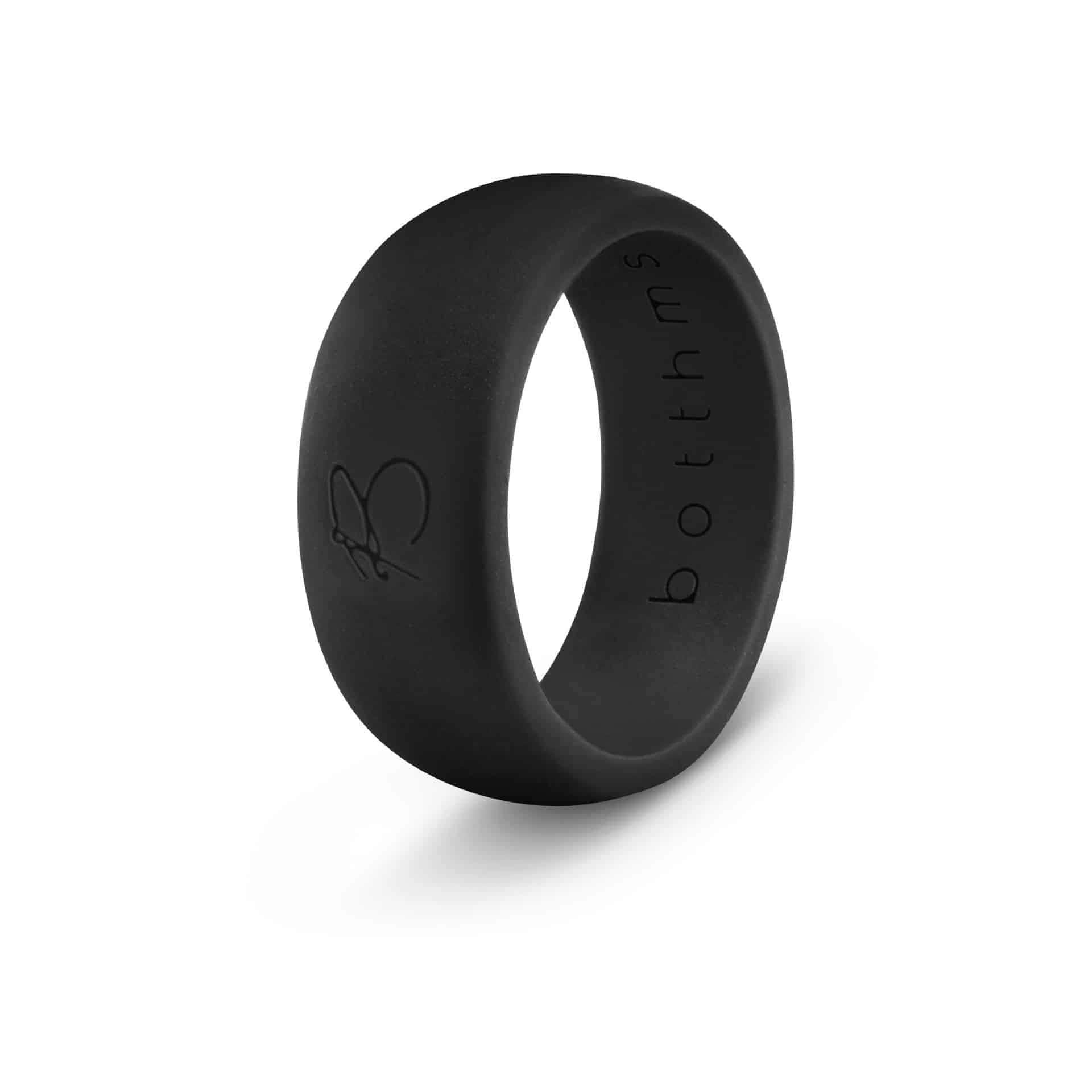


Most people buy a silicone ring for comfort. The better reason is safety. A metal ring does not give when it catches, and your finger is what gives instead. This is what the injury is, who is most at risk, and why a silicone band changes the outcome.
Ring avulsion happens when a ring snags on something, like a rugby jersey, a barbell knurl, a truck door or a fence, while your body keeps moving. The ring stays put, and the force strips the soft tissue of the finger. Injuries range from bruising and cuts to damage to the blood supply of the finger, and the worst cases need surgery or end in amputation. It is uncommon, but when it happens it is severe, which is why hand surgeons, gyms and many employers tell people to take metal rings off for physical work.
A medical-grade silicone ring stretches and, under enough load, tears. The ring breaks before your finger does, and a replacement costs a fraction of a metal band. Silicone also does not conduct electricity or heat, which matters to electricians and anyone working near a braai or a hot engine. It does not corrode in the sea or chlorine, and it can be washed with soap and water.
Medical-grade silicone is widely used against skin and is generally well tolerated, including by people who react to nickel in cheap metal. As with any ring, moisture trapped underneath can irritate skin, so take it off to dry your hands after swimming or long glove shifts. If a ring feels tight after a hot day or a long flight, go half a size down on your next one rather than up: silicone gives a little.
People search for "rubber rings", but most modern active rings are silicone. Silicone is softer, holds its colour and does not perish in the sun the way rubber does.
A ring that is too loose can slide off in water; too tight and it will not tear away as designed. Measure a ring you already own or use a paper strip, following our ring size guide. Men's botthms rings are 8.7 mm wide in sizes 7 to 14; women's are slimmer in sizes 4 to 10.
Many people keep their metal wedding band for occasions and wear silicone everywhere else. If that is you, our silicone wedding ring guide covers widths and styles, and the full range is on the silicone rings page, from R199 with a 12-month warranty.
This article is general information, not medical advice. If you have an injury to your hand or finger, see a doctor.